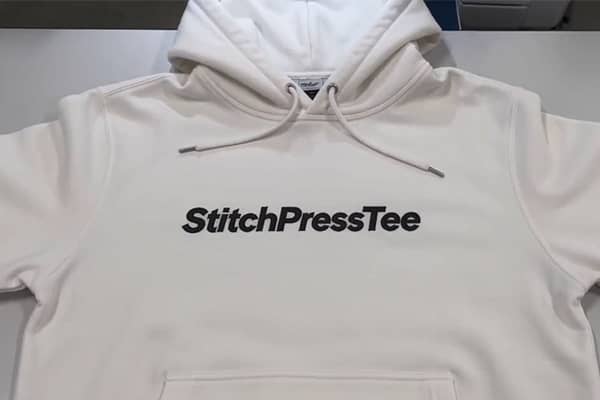
Sourcing custom apparel from overseas factories is one of the most effective ways for brands, corporations, and organizations to scale their merchandising, reduce production costs, and access cutting-edge manufacturing techniques. Whether you are looking to bulk-order premium retail-grade hoodies, custom embroidered snapbacks, or high-performance industrial workwear, working with an international manufacturer unlocks incredible scaling potential.
However, navigating overseas supply chains comes with its own unique set of challenges. Miscommunications, quality variance, and shipping delays can turn a highly anticipated launch into a costly headache.
To ensure your next custom production run is flawless, efficient, and stress-free, we have compiled the ultimate, step-by-step checklist for sourcing custom apparel overseas. Bookmark this guide to use before you place your next wholesale order.
Phase 1: Pre-Production & Factory Vetting
Before you transfer a single dollar, you must ensure the factory aligns with your brand’s quality standards and operational requirements.
▢ 1. Verify True Manufacturing Capabilities
Not all apparel factories are created equal. Some specialize in fast-fashion knits, while others excel in heavy-duty structured workwear or technical headwear.
-
Ask for their machinery list (e.g., automated cutting tables, high-density embroidery machines).
-
Confirm if they have experience working with international brands and understand Western sizing standards.
▢ 2. Audit Certifications & Compliance
In 2026, corporate social responsibility and environmental compliance are non-negotiable. Ensure your sourcing partner holds recognized certifications. Look for:
-
BSCI / Sedex: For ethical labor practices and safe working conditions.
-
OEKO-TEX Standard 100 / GOTS: If your brand mandates eco-friendly, organic, or chemical-free textiles.
-
ISO 9001: For systematic factory quality management.
▢ 3. Clarify Minimum Order Quantities (MOQs) & Scale Flexibility
Understand the factory’s structural limits.
-
Ask: “What is the MOQ per style, per color, and per size?”
-
If you are a growing brand or organizing a targeted team event, ensure they offer flexible lower MOQs for test batches while retaining the capacity to scale to tens of thousands of units later.
Phase 2: Technical Specifications & Tech Packs
A “Tech Pack” is the blueprint of your garment. Never rely on just a basic photo or a vague description; overseas engineers need precise technical data.
▢ 4. Build a Bulletproof Tech Pack
Your digital asset package should include:
-
Vector Design Files: High-resolution Adobe Illustrator (.AI) or PDF files of your artwork.
-
Pantone Color Codes: Specify precise PMS numbers (e.g., Pantone 19-4052 TCX) rather than just asking for “Navy Blue” to avoid dye-lot discrepancies.
-
Bill of Materials (BOM): A detailed list specifying main fabric weight (e.g., 400 GSM heavyweight fleece), lining material, zipper brands (like YKK), thread types, and buttons.
▢ 5. Define Custom Crafts & Decoration Methods
Be explicit about how you want your branding executed.
-
Specify the exact craft: 3D puff embroidery, high-density screen printing, silicone heat transfers, or woven patches.
-
Provide measurements for decoration placement (e.g., “Logo centered on chest, 5cm below the collar seam”).
▢ 6. Establish a Detailed Size Chart
Sizing charts vary drastically between Asian, European, and American markets. Provide a flat-measurement spec sheet including tolerances (e.g., +/- 1cm allowed variation) to ensure your final bulk garments fit perfectly.
Phase 3: Sampling & Prototyping
The sampling stage is your safety net. It is where digital concepts prove their physical viability.
▢ 7. Order and Evaluate a Pre-Production Sample (PPS)
Never skip the sampling phase to “save time.” Treat the PPS as the exact benchmark for your bulk production.
-
Fabric & Weight Check: Is the hand-feel premium? Does it match the requested GSM (Grams per Square Meter)?
-
Embroidery & Print Inspection: Are there any loose threads? Is the logo crisp and perfectly aligned?
-
Hardware & Functionality: Do the adjustable snapbacks, drawstrings, or industrial reflective tapes operate smoothly and safely?
▢ 8. Conduct a Fit & Wash Test
Put the sample through real-world stress tests.
-
Have a fit model wear it to test silhouette, drape, and comfort.
-
Wash the garment multiple times under standard conditions. Check for shrinkage, color bleeding, pilling, or logo cracking.
Phase 4: Production & Quality Control (QC)
Once the sample is approved and production begins, setting up structural checkpoints prevents bulk mistakes.
▢ 9. Implement In-Line and Final Quality Inspections
Do not wait until the shipment arrives at your warehouse to find a defect.
-
Request standard inspection reports from the factory at critical milestones (e.g., at 50% fabric cutting, 100% sewing completed).
-
Alternatively, hire a reputable third-party inspection agency (like SGS or QIMA) to perform an on-site random audit based on AQL (Acceptable Quality Limit) standards.
▢ 10. Approve Packaging & Custom Labeling
Retail-grade apparel requires retail-grade presentation. Confirm the factory can execute:
-
Customized inner woven neck labels or heat-pressed care labels.
-
Branded cardstock hangtags with barcodes.
-
Individual protective polybags to shield garments from moisture and dust during maritime transit.
Phase 5: Logistics, Customs & Delivery
Your production is only successful once the cargo is safely offloaded at your doorstep.
▢ 11. Choose the Right Incoterms
Ensure you and the factory are using the exact same shipping language to avoid unexpected port fees.
-
FOB (Free On Board): Factory delivers goods to the local port; you handle international freight.
-
EXW (Ex Works): You arrange pickup directly from the factory floor.
-
DDP (Delivered Duty Paid): The factory manages the entire supply chain, including customs clearance and duties, delivering directly to your warehouse (highly recommended for a hassle-free B2B experience).
▢ 12. Secure All Customs & Export Documentation
Ensure your factory provides accurate paperwork for a seamless customs clearance process, including the Commercial Invoice, Packing List, Bill of Lading (B/L), and Certificates of Origin if applicable.
Final Thoughts: The Value of a Trusted Factory Partner
Sourcing overseas doesn’t have to feel like a gamble. When you find a manufacturer that combines premium retail-grade craftsmanship, transparent communication, digital workflow efficiency, and rigorous QC protocols, they stop being just a vendor—they become a core engine of your brand’s growth.
Are you preparing your next bulk custom apparel run? Contact our expert engineering team today to review your tech pack, select premium performance fabrics, and get a seamless, transparent manufacturing quote.